THE DIGITAL TRIBAL CRAFT MELA

07 Jan, 2026
Introduction
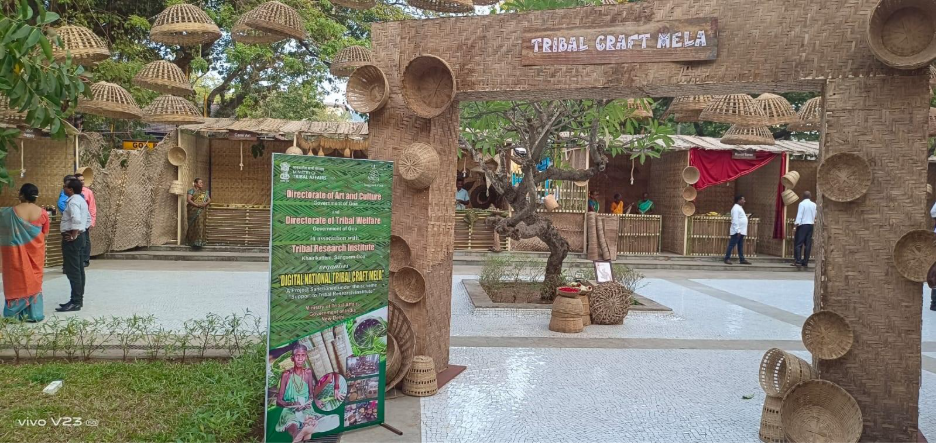
The Directorate of Art & Culture, Patto- Panaji, Goa in association with Directorate of Tribal Welfare, Panaji & Tribal Research Organization, Khairikattem, Sanguem had organised National Digital “Tribal Craft Mela” 2025 at the Kala Academy Goa, Campal- Panaji- Foyer Area from 17th Jan to 26th Jan celebrating Goa sesquicentennial year of Bhagwan Birsa Munda (150th Birth Anniversary).
Event Support and Inauguration
This event was supported by Ministry of Tribal Affairs Government of India, New Delhi under their ‘Support to Tribal Research Institute’ initiative. An amount of Rs. 20.00 Lakhs has been sanctioned to organise the Digital Tribal Craft Mela.
Digital Tribal Craft Mela was inaugurated by Hon’ble Minister for Art and Culture Shree. Govind Gaude, in presence of Director, Directorate of Art and Culture, Dy. Director, Directorate Tribal Welfare and other respected dignitaries. The Tribal Craft Village was set open for the public by Ribbon cutting & was inaugurated by offering floral tribute to the photograph of Tribal leader respected late Bhagwan Birsa Munda on 17 January 2025 at 6 p.m. prior to grand inauguration of 24th Lokotsav at Kala Academy, Darya Sangam on the banks of river Mandovi.
Event Highlights
The “Digital Tribal Craft Village” featured stalls highlighting the rich heritage of the tribal communities. The stalls were designed to resemble traditional tribal huts, providing visitors with an immersive experience.
The Digital Mela aimed to preserve and promote the indigenous crafts and traditional knowledge of various tribes across the country. It provided a platform for tribal artisans to showcase and sell their unique handmade products directly to the public.
Specific Craft Displays
Traditional Goan Pottery
Pottery is one of the oldest crafts in Goa. Tribal artisans demonstrated the process of shaping clay on the potter’s wheel and the traditional techniques of firing the clay to create durable and aesthetic items like pots, lamps, and decorative vases.
Bamboo Craft
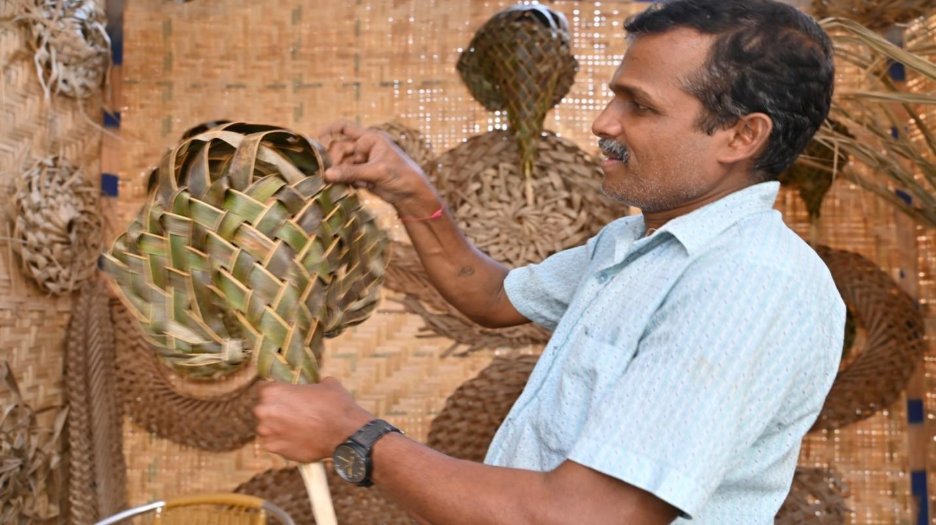
Artisans from various tribal regions showcased their skills in bamboo weaving. Products included intricate baskets, mats, fans, and contemporary items like bamboo lampshades and office stationery.
Kunbi Weaving
The Kunbi saree, a traditional attire of the Kunbi tribe of Goa, was a major highlight. Artisans demonstrated the weaving process on traditional looms, explaining the significance of the checks and the vibrant red color used in the sarees.
Tribal Jewellery
Stalls featured handmade jewelry crafted from beads, metals, and natural materials like seeds and wood. Each piece of jewelry reflected the cultural identity and aesthetic preferences of different tribes.
Tribal Food and Forest Produce
Visitors had the opportunity to taste and purchase traditional tribal food items and forest produce like wild honey, organic pulses, and medicinal herbs.
Paddy Craft (Rice Paddy Decorations)
Gokul G. Velip from Morpirla and Sulaksha Gaonkar from Canacona showcased the traditional Goan tribal art of crafting decorative items from dried rice paddy—one of the oldest arts of the region. For the past four years, these two women have been actively engaged in making paddy (तोरण) (door hangings) and paddy chandeliers (झेलो).
In Hindu culture and traditions, paddy decorative items are considered highly auspicious symbolising prosperity and good fortune. Visitors admired the intricate craftsmanship and cultural significance of these handmade decorations.
Traditional Broom Making
Khushali Velip from Morpirla, Quepem, Goa, showcased the art of making ancient and traditional Goan brooms, crafted from the ribs of coconut leaves. During his demonstration, he explained the entire process, starting with carefully extracting the rib from a single coconut leaf and thoroughly cleaning it.
As he narrated, he shared that it takes him two days to make one broom. Each leaf rib is meticulously cleaned and securely tied, one by one, using coconut husk rope. Once 70 to 90 leaf ribs are fastened together, they are rolled into a conical shape to form a sturdy handle.
Conclusion
The Digital Tribal Craft Mela 2025 successfully brought together the tradition of tribal artistry and the modern digital era, ensuring that these ancient skills are recognized and valued by a wider audience. The event served as a tribute to Bhagwan Birsa Munda and a celebration of tribal resilience and creativity.